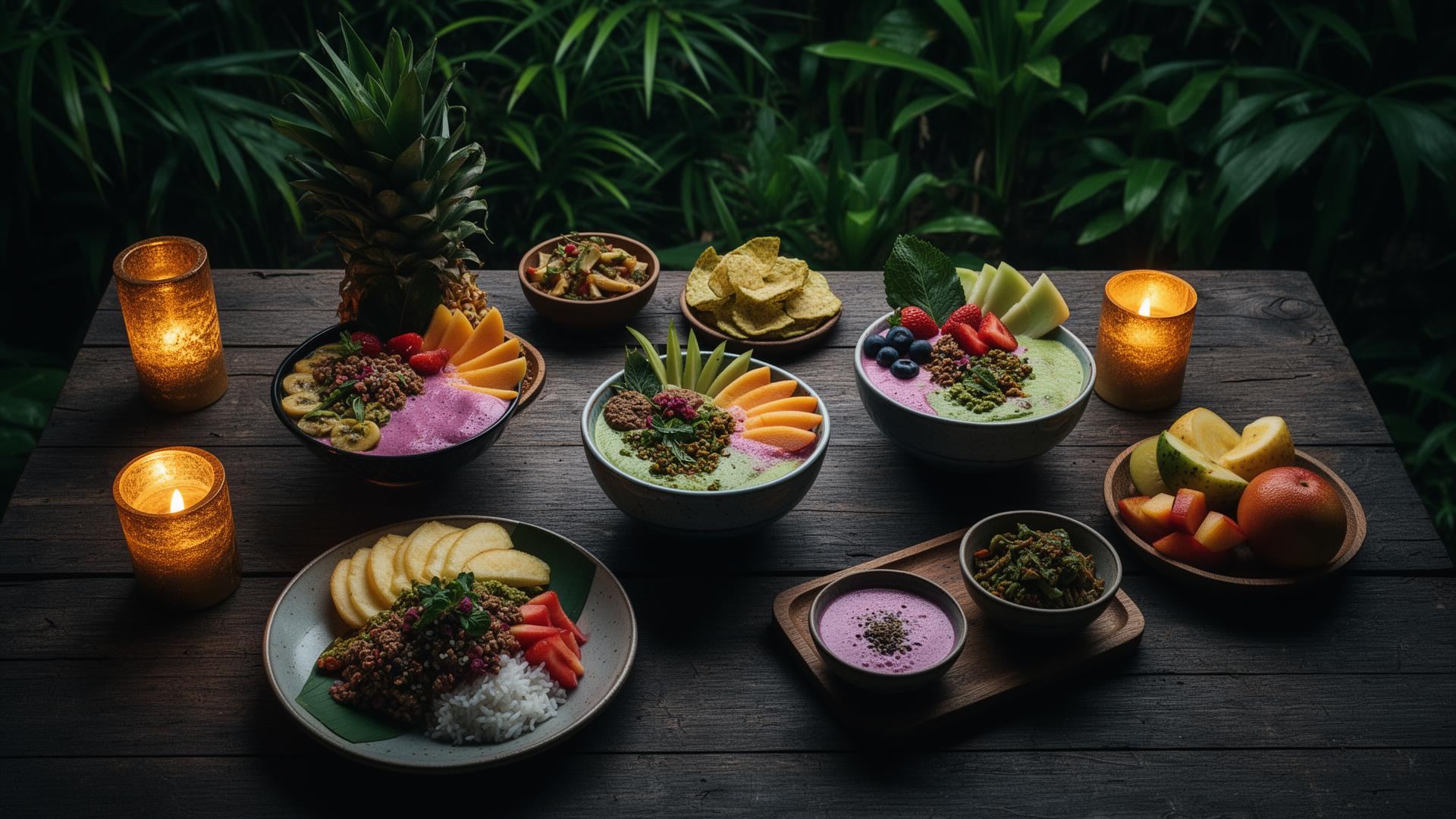
So your guests walk into the retreat centre. Past the narrow teak wood doors lies an expansive, hidden oasis — whether it's an outdoor shala or a meditation room that somehow feels ten times bigger than it actually is — and from their faces, you can likely imagine what they might be thinking: "Ah, I already feel my soul lifting."
They attend the opening circle, do some breathwork exercises, maybe even shed a tear you didn't expect them to. The facilitator is warm, the yoga mats are new, the linen curtains move just enough in the breeze to feel like the universe is on your side — hopefully at least until the end of the retreat.
And then, somewhere between the second session and the first proper meal, you realize the thing you'll actually remember: the thing that will decide whether this retreat worked, whether your guests’ bodies left in a different state than they arrived in, has very little to do with the shala, or the circle, or even the facilitator.
It's the food.
While the food is not exactly the "point" of a retreat, everything else on offer — stillness, insight, community, rest — has to be metabolized by a body that is, at every meal, being told something.
Fed well, that body settles. Fed carelessly, it keeps low-grade fighting for the rest of the day, no matter how beautiful the shala is.
This isn’t a grand revelation, but I find there are lesser-explored reasons why good food is vital to an excellent retreat experience, and why it's worth considering alongside your facilitator lineup:
Food as a regulator of nervous system state
Retreats are often explicitly about calming the nervous system — but a heavy or poorly timed meal can quickly change how someone feels after an hour of breathwork or yoga. Good food isn't just "healthy," it's functionally aligned with what the retreat is trying to achieve physiologically.
Food as the retreat's actual timekeeper
Meals structure the day more than the schedule does. A high-quality, reliable meal, served on time, every time, is quietly doing the work of pacing the whole retreat. Meal time informally facilitates transitions, energy peaks and dips, even social bonding windows. An unreliable kitchen creates chaos that ripples into every session that follows.
Shared meals as the only unstructured bonding time
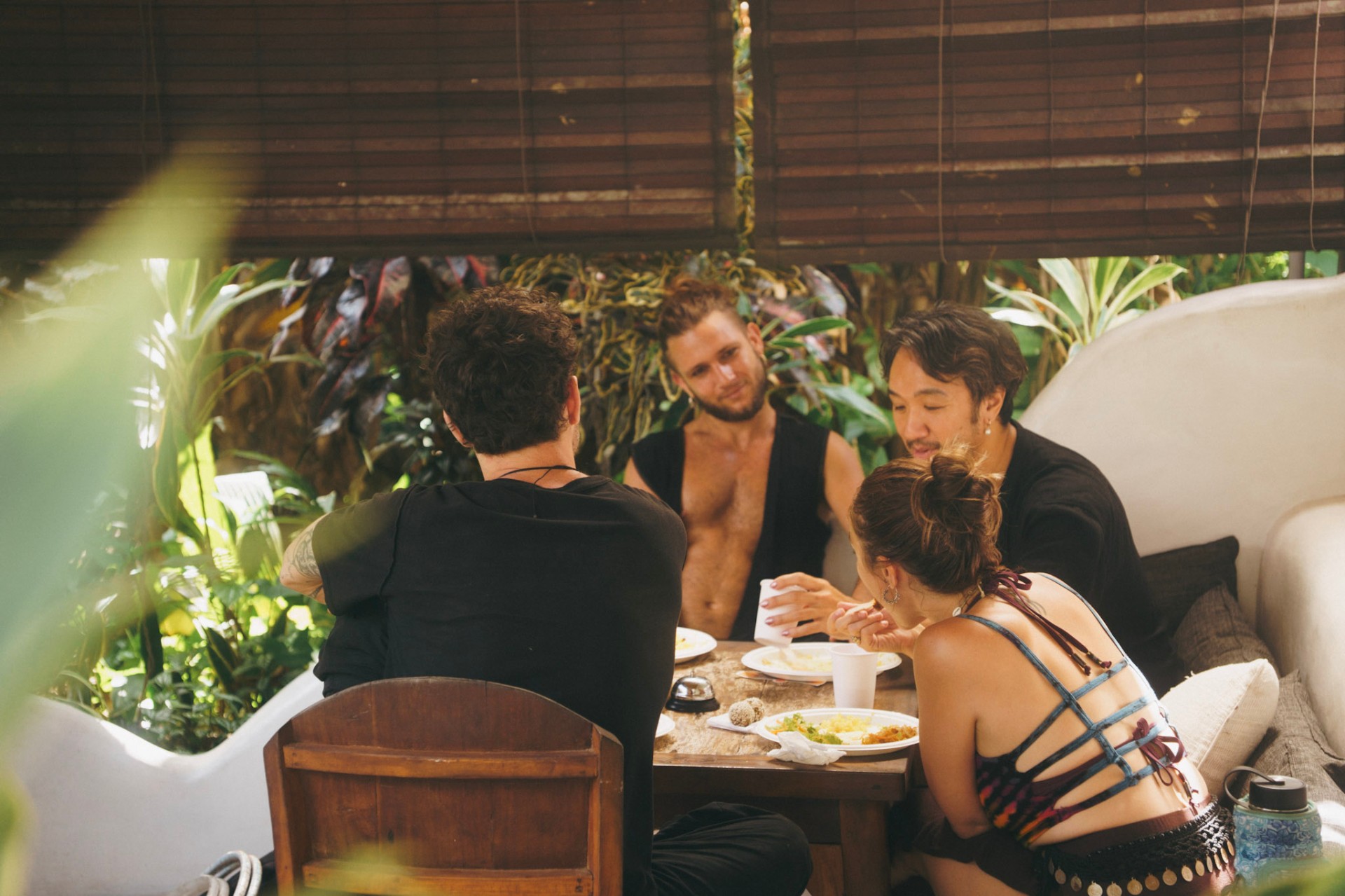
In a retreat full of curated sessions, the meal table is often the one space where real connection happens organically. Good food makes people linger; average food makes people eat fast and leave. So food and catering quality can directly affect how much community actually forms, during and beyond the retreat, which is arguably the thing both the facilitators and the attendees remember most.
Food as trust signal for everything else
Guests can't evaluate the quality of the meditation teacher or the sound healer directly — but they can taste the food. Food quality can become a proxy for "how much care went into this whole experience," coloring the perception of everything else on the retreat.
Someone who’s booked a 3-day spiritual retreat in Bali of all places may write a review about how the meditation room felt bigger than it was, but before they do, their body (not their rational mind) will reach backwards in time and remember whether it left lighter or heavier than it arrived — and that answer was decided three times a day, at the table, by someone whose name they probably never learned.
So if you're building a retreat, the question isn't just "who's teaching the sessions." It's "who's feeding the people sitting through them." A kitchen that shows up on time, understands what a body needs between a breathwork session and a silent walk, and treats a meal as part of the experience rather than a break from it? That's not a nice-to-have. It's the difference between a retreat people attended and one they actually felt.
The teak doors get people through the entrance. The food is what they carry home.