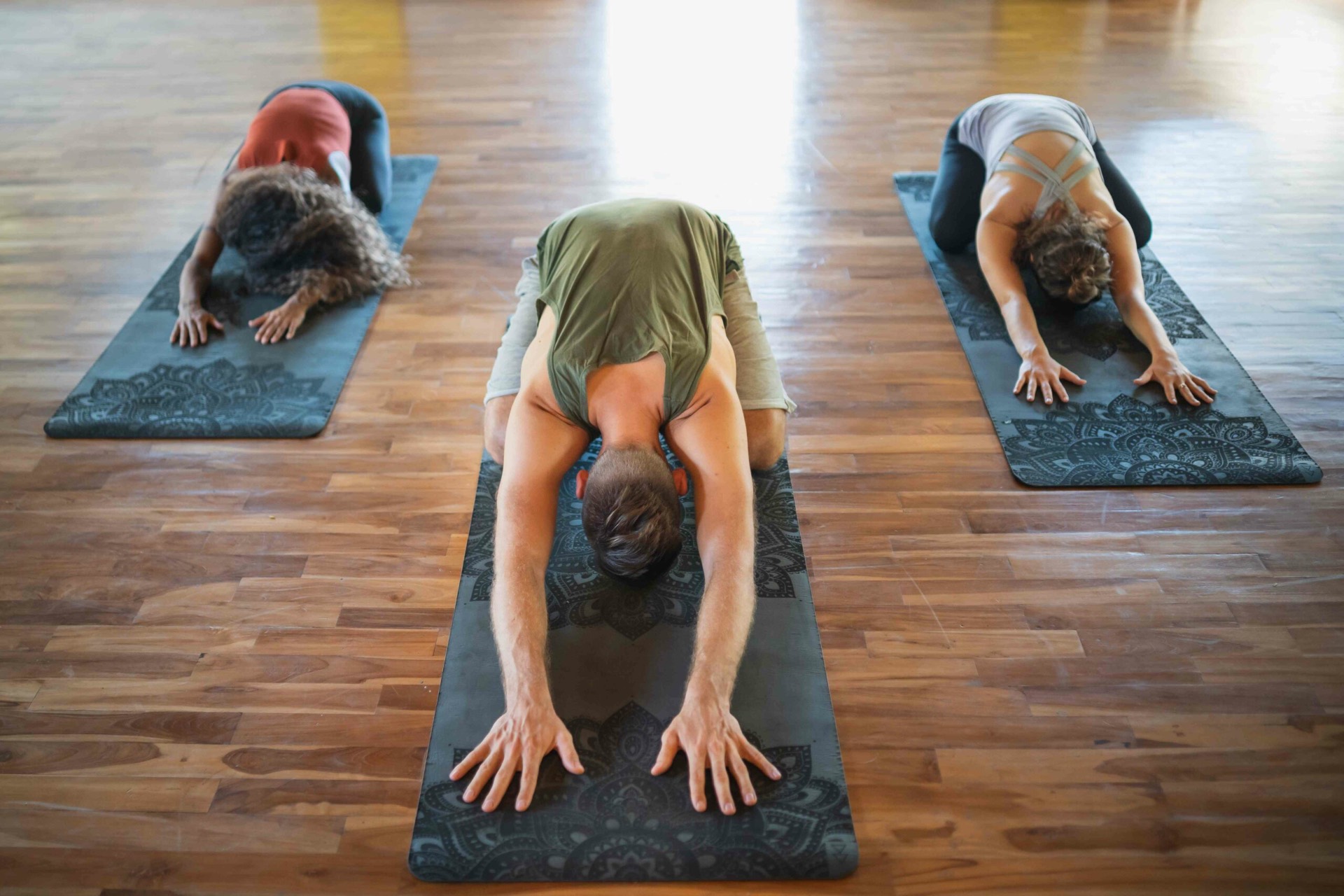
One of the most common questions in yoga is deceptively simple: how often should I practise? The answer resists prescription. It depends on where you are — physically, emotionally, and in the arc of your life.
For someone new to the mat, two or three sessions a week is enough to begin building familiarity with the body, with breath, with the quieter pace that yoga asks of us. There is no rush. The practice rewards patience far more than intensity.
As experience deepens, so does the pull toward consistency. Four, five, six days a week — not because a schedule demands it, but because the body begins to ask for it. Movement becomes less about achievement and more about listening.
What you practise matters as much as how often. A week might hold vigorous flow alongside slow, restorative stillness. Strength built through standing postures. Flexibility cultivated through longer holds. Breath and meditation woven through everything. Variety is not inconsistency — it is intelligence.
A day without movement can be the most honest form of self-awareness.
The nervous system needs space to integrate what the body has learned.
The signs of too much are worth noticing: persistent soreness, fatigue that lingers after practice rather than lifting, a quiet loss of enjoyment. These are not failures — they are invitations to recalibrate.
For those who also run, lift, swim, or train in other ways, yoga serves beautifully as complement. It restores what intensity depletes — mobility, breath capacity, and the ability to be present in the body rather than simply pushing through it.
Consistency matters more than duration. Ten minutes of mindful movement each morning can reshape a nervous system more profoundly than an occasional two-hour class. The practice does not need to be large. It needs to be yours.
Only a more honest question: what does your body need right now?
What remains constant is the invitation — to return to the mat, to the breath, to yourself.